Busway explained: how modern power distribution works | Eaton PSEC
13:23
Learn what busway (bus duct) is, how it works, and why it outperforms conventional wiring methods (cable and conduit) in modern power distribution systems. As power demands increase and electrical systems become more complex, busway is proving to be most efficient solution. Seth So, Eaton Power Systems Experience Center Engineer, explains how busway is able to deliver higher ampacity, improved efficiency, reduced voltage drop, and a smaller footprint. Follow along as Seth also explains: • How busway works and how it differs from cable and conduit • Electrical benefits of bus bar conductors, including the skin and proximity effect that happens in cabling • Space and labor savings in high ampacity power distribution • Types of busway, including: sandwich, track, and non-segregated phase bus • Current and voltage ratings for low- and medium-voltage applications • How busway supports flexibility and future systems changes • How plug in units and tap off boxes make it easy to add, move, or modify loads without rewiring These features make busway ideal for dynamic environments like data centers, hospitals, high rise buildings, manufacturing facilities, and industrial plants. From vertical risers in skyscrapers to high-ampacity feeders in industrial settings, busway provides a scalable and efficient power distribution solution. Learn more about Eaton busway solutions at: https://www.eaton.com/us/en-us/products/low-voltage-power-distribution-control-systems/busway.html?wtredirect=www.eaton.com/busway&vanity=us:/busway Thank you for watching one of our many educational videos on the topic of power systems. Schedule a visit to one of Eaton's Power Systems Experience Centers in either Pittsburgh or Houston to learn more! To learn more about Eaton products and our Power Systems Experience Centers: https://eaton.com/experience To view more educational videos from Eaton's Power Systems Experience Centers: https://videos.eaton.com/experience Chapters 00:00 00:12 Introduction to busway 01:09 Components and design of busway 03:47 Busway performance benefits 05:07 Type of busway: sandwich style 06:49 Type of busway: track style 07:25 Type of busway: non-segregated phase bus 08:15 Bus plugs & tap-off boxes 09:11 Busway vs. cable & conduit: hospital 11:29 Busway vs. cable & conduit: skyscraper 12:46 Key benefits of busway #Busway #BusDuct #PowerDistribution #ElectricalEngineering #DataCenters #IndustrialPower #Electricity #Engineering #electricaltrainingvideos #DataCenters #EnergyInfrastructure #Electrification #powerquality #powerqualityissues #powersystem #engineering #eatonexperience #experiencecenter #powerdistribution #powersystemdesign
Learn what busway (bus duct) is, how it works, and why it outperforms conventional wiring methods (cable and conduit) in modern power distribution systems. As power demands increase and electrical systems become more complex, busway is proving to be most efficient solution. Seth So, Eaton Power Systems Experience Center Engineer, explains how busway is able to deliver higher ampacity, improved efficiency, reduced voltage drop, and a smaller footprint. Follow along as Seth also explains: • How busway works and how it differs from cable and conduit • Electrical benefits of bus bar conductors, including the skin and proximity effect that happens in cabling • Space and labor savings in high ampacity power distribution • Types of busway, including: sandwich, track, and non-segregated phase bus • Current and voltage ratings for low- and medium-voltage applications • How busway supports flexibility and future systems changes • How plug in units and tap off boxes make it easy to add, move, or modify loads without rewiring These features make busway ideal for dynamic environments like data centers, hospitals, high rise buildings, manufacturing facilities, and industrial plants. From vertical risers in skyscrapers to high-ampacity feeders in industrial settings, busway provides a scalable and efficient power distribution solution. Learn more about Eaton busway solutions at: https://www.eaton.com/us/en-us/products/low-voltage-power-distribution-control-systems/busway.html?wtredirect=www.eaton.com/busway&vanity=us:/busway Thank you for watching one of our many educational videos on the topic of power systems. Schedule a visit to one of Eaton's Power Systems Experience Centers in either Pittsburgh or Houston to learn more! To learn more about Eaton products and our Power Systems Experience Centers: https://eaton.com/experience To view more educational videos from Eaton's Power Systems Experience Centers: https://videos.eaton.com/experience Chapters 00:00 00:12 Introduction to busway 01:09 Components and design of busway 03:47 Busway performance benefits 05:07 Type of busway: sandwich style 06:49 Type of busway: track style 07:25 Type of busway: non-segregated phase bus 08:15 Bus plugs & tap-off boxes 09:11 Busway vs. cable & conduit: hospital 11:29 Busway vs. cable & conduit: skyscraper 12:46 Key benefits of busway #Busway #BusDuct #PowerDistribution #ElectricalEngineering #DataCenters #IndustrialPower #Electricity #Engineering #electricaltrainingvideos #DataCenters #EnergyInfrastructure #Electrification #powerquality #powerqualityissues #powersystem #engineering #eatonexperience #experiencecenter #powerdistribution #powersystemdesign
Electrical distribution Similar Videos
-
Power density trends in the medium-voltage industry | Eaton PSEC
7:25
Rising electrification, grid modernization, and data center growth are driving the need for higher medium voltage power density. Learn what this means for medium-voltage switchgear design, efficiency, and reliability.
-
Eaton Tech Day 2025 highlights
0:30
Eaton Tech Day is an electrical industry focused seminar that showcases the latest in power management, electrical safety, energy efficiency, grid resiliency, and energy transition.
-
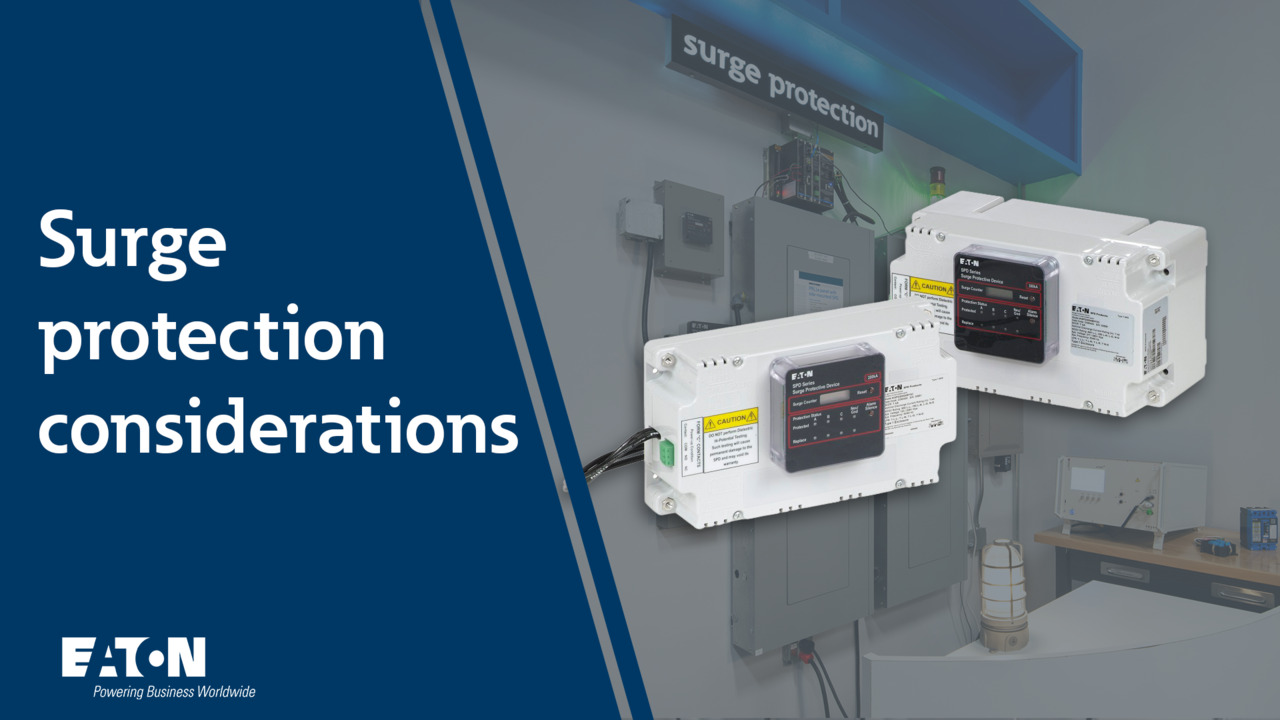
Surge protection considerations | Eaton PSEC
7:41
Surge protection devices (SPDs) safeguard equipment from damaging voltage transients also known as surges. Discover SPD types, proper installation, NEC requirements, and tips for effective protection in residential and industrial applications.